When I consult with breeders on white shepherd genetics, coat color is usually what brings them to me, but coat texture and length questions come close behind. The Berger Blanc Suisse standard specifies coat characteristics as carefully as any other breed standard, and understanding the genetics behind those characteristics helps breeders produce the coat type their programs require.
The genetics of coat length and texture are well characterized, and they interact with the color genetics of white shepherds in ways that complete the picture of what is actually happening in the genome beneath that beautiful white coat.
The FGF5 Gene and Coat Length
Coat length in dogs is primarily controlled by the FGF5 gene, which encodes fibroblast growth factor 5. In dogs with normal FGF5 function, the hair growth cycle terminates at the appropriate time, producing the medium-length coat typical of most working shepherd breeds. In dogs with loss-of-function mutations in FGF5, the hair growth cycle continues longer, producing the longer, flowing coat characteristic of long-coated breeds and variants.
Long coat inheritance is autosomal recessive. Dogs with two functional FGF5 alleles (L/L, using older notation) or one functional allele (L/l) have normal-length coats. Dogs with two loss-of-function alleles (l/l) have long coats.
Several distinct mutations in FGF5 can produce the long coat phenotype. Different mutations predominate in different breeds, reflecting independent origins of long coat in different lineages. German Shepherds can carry either the specific mutation common in that breed or other FGF5 variants.
Coat Type in Berger Blanc Suisse
The Berger Blanc Suisse breed standard recognizes a single coat type: medium-long, with a dense undercoat and a slightly harsh or silky outer coat that lies close to the body. The coat should not be soft, excessively long, or feathered in a way that would interfere with working function.
This specified coat type reflects the breed’s origin as a herding and working dog that needed coat protection against weather without the extreme feathering that would collect burrs and debris during work. The coat genetics that produce this type are important for breeders trying to maintain consistent coat quality across generations.
The breed standard coat is typically associated with dogs that are L/l or L/L at the FGF5 gene. Dogs that are l/l may show coats that are excessively long or soft, which would not meet the standard. Breeders selecting for correct coat type are inadvertently selecting for FGF5 genotype, even when they do not think of it in those terms.
Coat Texture Beyond Length
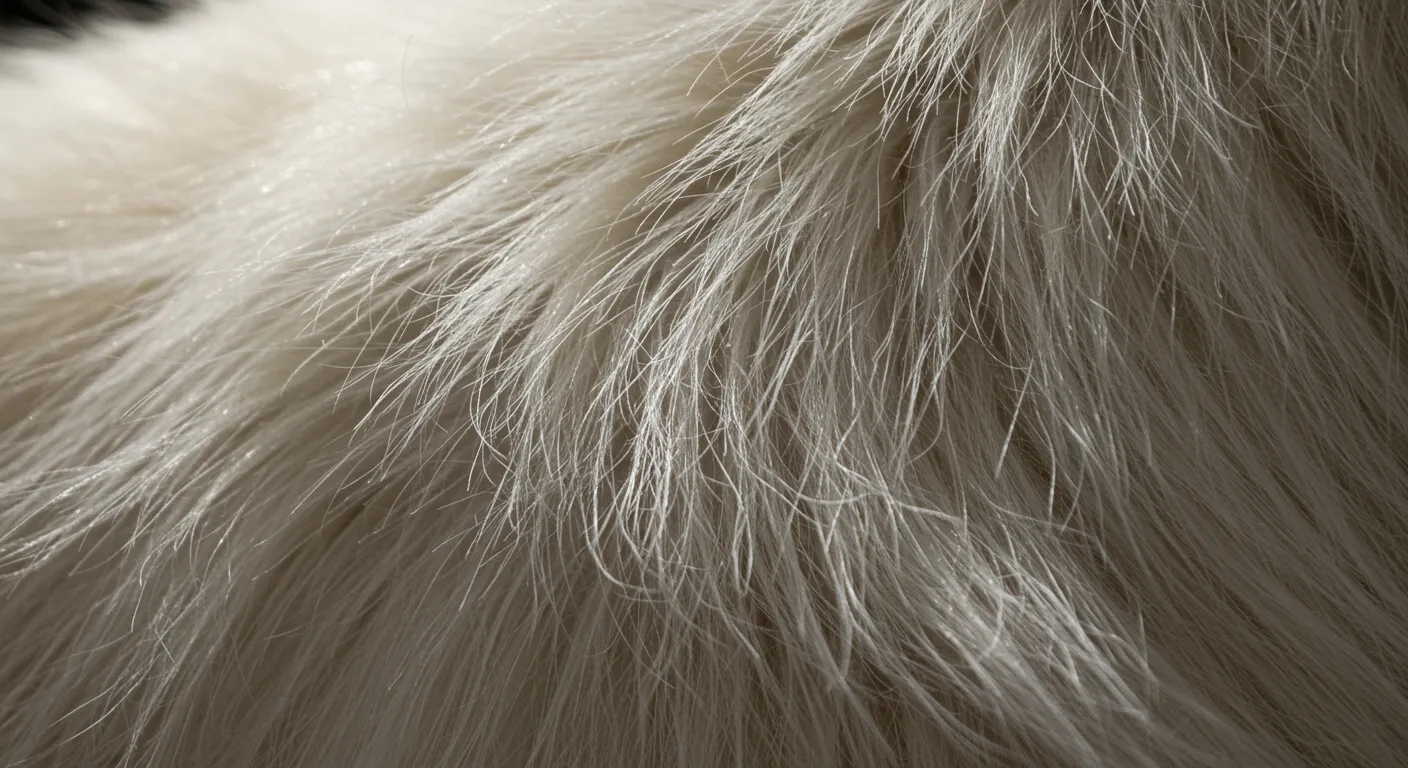
Length is only one dimension of coat quality. Texture, density, and undercoat quality are equally important for function and appearance, and these traits have more complex genetics than the relatively simple FGF5 length determination.
Texture is influenced by multiple genes that affect the shape and structure of the hair shaft. Wavy or curly tendencies in coats can emerge in certain line combinations and are generally considered undesirable in shepherd breed types. These textural variants are not well characterized at the molecular level in dogs, though some research suggests KRT genes (keratins) and genes affecting follicle shape contribute to texture differences.
Undercoat density is an important functional trait. The double coat structure of shepherd breeds, with a soft insulating undercoat and a coarser weather-resistant outer coat, provides protection in variable climates and is part of what makes these dogs functional across environments. Loss of undercoat density through selection for a soft, single-layered coat is a concern in some breeding programs that prioritize aesthetics over function.
The relationship between coat genetics and working capacity is one I address in the context of white shepherds in working roles. A dog bred with proper coat genetics that support weatherproofing and function will outperform a dog with beautiful color and poor coat quality in demanding working conditions.
Interaction Between Coat Genetics and e/e Color
Here is where the genetics gets interesting for white shepherd breeders. The coat color genetics I describe throughout this site are entirely independent of coat length and texture genetics. The FGF5 gene and the Extension locus are on different chromosomes. There is no biological reason why white shepherds should have any particular coat length or texture.
In practice, the white shepherd and Berger Blanc Suisse populations were founded from stock that had specific coat type distributions, and selection within those populations has further shaped the distribution. But the coat type seen in white shepherd populations reflects the founding genetics and subsequent selection, not any inherent connection between white color and coat quality.
This independence means breeders can improve coat quality in white shepherd lines through selection on coat traits without affecting color genetics, and vice versa. A breeder wanting to introduce better coat texture from a pigmented German Shepherd line can identify suitable carriers with excellent coat quality and plan the cross based on the E locus inheritance calculations that predict how many white offspring to expect.
Long Coat German Shepherds and White
German Shepherds occasionally produce long-coated puppies (l/l) from carrier-to-carrier matings at the FGF5 gene. These long-coated dogs were historically excluded from the German Shepherd show standard but are now accepted in FCI competitions as a separate variety.
White German Shepherds can be either normal-coated or long-coated depending on their FGF5 genotype. The coat length has no relationship to the e/e white coat color genotype. A white shepherd that is l/l will have a longer coat than one that is L/l or L/L, just as any other dog with l/l genotype has a longer coat.
For Berger Blanc Suisse breeders, the FGF5 genotype of breeding stock matters for producing correct breed standard coats. Testing for FGF5 alleles is included in comprehensive genetic panels alongside the coat color tests I recommend in my practical guide to DNA testing. Knowing the FGF5 genotype allows breeders to predict coat type outcomes in planned litters with the same precision that color gene testing provides for predicting coat color outcomes.
The Relationship Between Grooming and Genetics
Breeders sometimes ask whether grooming practices affect coat genetics over generations. The answer is no, which is the same answer that genetics always provides when asked about phenotypic modification and inheritance. Grooming shapes the appearance of individual dogs but does not alter the genes those dogs pass to offspring.
A white shepherd groomed to a specific coat length will have offspring with the same genetically determined coat length as if the parent were never groomed. Selection acts only on what is inherited, and inherited traits depend on genotype, not on what the breeder did to the phenotype.
However, grooming practices do influence a breeder’s ability to evaluate coat type for selection purposes. If all dogs in a program are groomed heavily, it becomes difficult to assess natural coat quality and make selection decisions based on coat genetics. I recommend that breeders evaluate natural, ungroomed coats when making selection decisions about coat type, then groom for presentation purposes after the evaluation is complete.
Coat Quality and Overall Health
I want to close with a practical observation. Coat quality in shepherds is a reliable visible indicator of overall health status. A dull, brittle, poor-quality coat in a dog with otherwise normal genetics and grooming often reflects nutritional deficiency, underlying illness, parasite burden, or hormonal imbalance.
This means coat quality can serve as a health screening indicator in addition to its role as a breed standard criterion. Breeders who notice declining coat quality in a line may be seeing early signs of health issues that warrant veterinary evaluation. The connection is not genetic, it is physiological, but it is practically useful.
The overall picture that emerges from coat genetics in white shepherds is consistent with what I find throughout canine genetics: the traits are independent, the inheritance is predictable, and informed breeders who understand the mechanisms can achieve their breeding goals more reliably than those who rely on observation alone. White coat color, coat length, coat texture, and the many health traits I cover across this site are governed by separate genes that can be understood, tested, and managed separately. That independence is what makes genetic improvement possible.